
HMDD Set Against Other Streetwear Names: How Does It Measure Up?
Streetwear in 2026 is overrun, noisy, and flooded with brands chasing an identical hype treadmill. HMDD — an abbreviation of Happy Memories Don’t Die — has built a different lane by leaning into memory, emotional storytelling, and a more understated kind of self-assurance rather than shock-value graphics. Its very name points to the brand’s underlying message: recollections wear thin, but what they made you feel shouldn’t fade too. You can see that thinking in the seams, the palette decisions, and the way HMDD pieces is presented as wearable memory rather than just merchandise. And that’s exactly why this breakdown sets out to show where HMDD sits alongside rival brands, what a genuine HMDD review really amounts to, and why shoppers searching for HMDD’s standout pieces repeatedly land on go-to items like sweatpants and shorts.
Several factions now make up the streetwear market: legacy skate-driven brands, branding-forward hype names, and leaner independents built around community and story rather than scale. HMDD sits nearer the third camp. The brand isn’t pursuing partnerships with high-end fashion names or saturating drops every week. In contrast, HMDDLA — the brand’s hub and artistic anchor rooted in Los Angeles — puts out collections in smaller, more considered batches. This isn’t scarcity built for attention; it’s a natural outcome of a brand still building slowly rather than mass-producing to satisfy demand.
Brand Philosophy: Sentiment vs. Spectacle
Most streetwear labels compete on visual noise — oversized logos, partnership badges, or temporary hooks built to go viral for a short stretch. HMDD instead leans on felt connection. The phrase “happy memories don’t die” isn’t just a tagline; it shows up printed, embroidered, and echoed across the catalog as a recurring theme. This gives the brand a cohesive identity that’s more instantly recognizable than labels that reinvent their full visual identity every season.
That consistency matters more than people expect. A shopper who buys HMDD sweatpants in 2025 and returns for shorts in 2026 will recognize an identical visual vocabulary — toned-down palettes, understated graphic positioning, and a leaning toward comfort-driven silhouettes. Contrast this with labels that jump from streetwear to techwear to Y2K revival in just twelve months, and HMDD’s stability turns into a true point of difference. Novelty rarely builds loyalty in streetwear — predictability like hmdd.clothing/shorts-sweatpants this does.
A community dimension exists too. HMDD’s marketing leans on storytelling — customer photos, individual captions, and a sense that the garments capture a moment rather than a status symbol. Labels with thousands of SKUs, especially larger ones, struggle to keep that intimacy alive. Leaner brands such as HMDD are still able to engage their audience directly, which shows up in how fast input from an HMDD review finds its way into what comes next.
A Look at the Product Lineup: Where HMDD Actually Competes
When people ask how HMDD’s apparel stacks up, they’re usually comparing three things: the way it fits, the heft of the material, and price-to-quality ratio. Since HMDD sweatpants and HMDD shorts get searched most, it seems HMDD’s bottoms are winning over shoppers than its outerwear or accessories right now. That’s consistent with broader 2026 streetwear trends, where relaxed-fit bottoms are outselling structured jackets across the category.
Presented here is a general comparison of HMDD’s positioning against two typical archetypes within streetwear: the mass-drop hype name and the independent boutique brand. This isn’t a brand-by-brand price war; instead, it’s a structural comparison of how each type typically operates in the current market.
| The Aspect We’re Comparing | HMDD | Mass-Market Hype Brand | Boutique Self-Run Brand |
|---|---|---|---|
| Release Pace | Few and far between, but consistently deliberate | Following a weekly-to-fortnightly cadence | Tied to the seasons, rare |
| What the Label Is Fundamentally | Nostalgia and heartfelt storytelling | Logo-centric, trend-chasing | Shifting from name to name, rarely steady |
| Core Categories | Joggers, short bottoms, printed tees | Pullovers, outerwear, accessories | Shaped by whichever direction the designer leans toward |
| How the Label Connects With Its Community | Face-to-face and genuine, quick to respond to reviews | Mass-scale, distant | Personal but limited scope |
| Price Positioning | Positioned comfortably in mid-tier street-style pricing | Spanning a broad spread, leaning premium much of the time | Shifting between mid-range and premium, rarely steady |
Instead of naming a single winner in streetwear, this comparison isn’t its purpose because the category simply isn’t a single-template category. The point is to illustrate that HMDD’s approach built on calculated limited supply and emotionally driven branding puts it in a different competitive position compared to brands relying purely on volume or purely on niche appeal. HMDD borrows discipline from the boutique model while avoiding the unevenness that tends to plague more niche labels.
How it Fits, What it’s Made of, plus Everyday Wearability
Fit is the ultimate test for sweatpants and shorts. Go too tight and they tip into athleisure, or too sleepwear when they’re oversized. Rather than gym-only use, the brand’s design philosophy here leans toward a loose-yet-tapered shape geared toward day-to-day rotation. That difference counts for something, because a lot of streetwear sweatpants are either too oversized to layer well or too snug to stay comfortable over extended wear.
The shorts lineup are built on a similar logic – silhouettes spanning mid-thigh to knee that combine effortlessly with printed tees or oversized layers. This carries weight in a 2026 climate where shoppers are leaning into pieces that transition between casual outings and lounging, as opposed to maintaining separate closets for each purpose. It’s often observed by reviewers that structural integrity in HMDD shorts persists after multiple washes, pointing to construction and material weight rather than just cut.
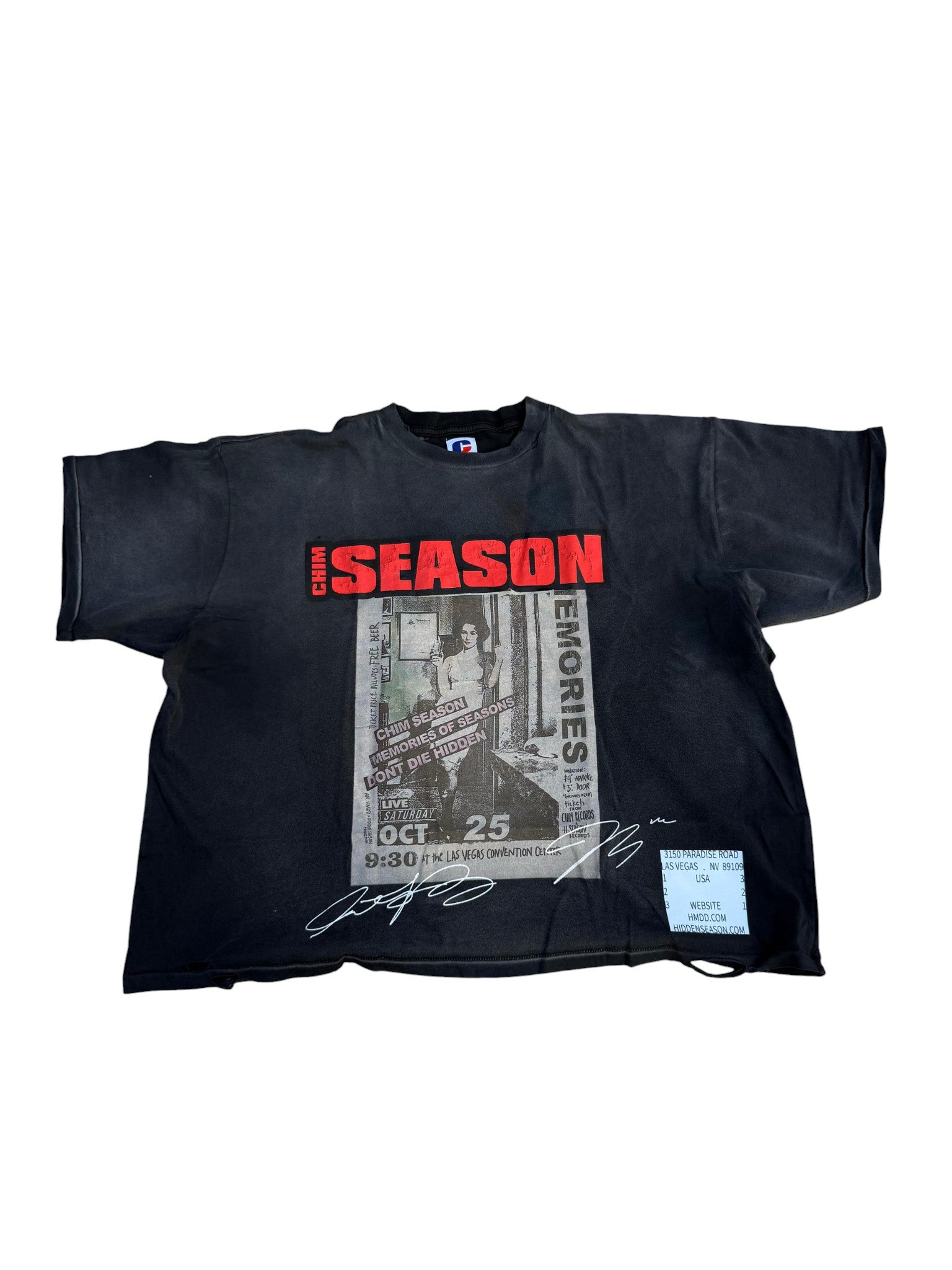
The brand’s restraint is the very thing that separates it from mass-market competitors. A lot of trend-driven labels overload sweatpants with multiple logo placements, side stripes, or exaggerated branding. HMDD tends to keep graphics minimal — a small nod to “happy memories don’t die” rather than a loud chest print. That understatement appeals to shoppers who want recognizable streetwear without looking like a walking billboard.
What Reviews Truly Say
As organic buzz, rather than paid advertising, spreads, search demand surrounding “HMDD review” keeps expanding as more buyers discover the brand. The recurring themes in customer feedback are reasonably uniform: comfort scores high, sizing aligns to expectations for a relaxed cut, and the emotional branding either strikes a real chord or doesn’t land at all — few buyers sit in between. Such a divide is genuinely a good sign in street fashion, where bland, safe design choices seldom creates a devoted fanbase.
Common critique points to be aware of include limited restock availability and tighter size batches compared to larger competitors. Since HMDD doesn’t manufacture at the scale of bigger streetwear names, popular sizes in sweatpants and shorts can sell out faster, which shoppers should factor in before taking availability for granted. This is a tradeoff, not necessarily a flaw — limited supply is part of what keeps the HMDDLA identity reading as considered rather than mass-market.
All things considered, the reception around HMDD clothing skews toward approval, most notably among shoppers who place more weight on substance and comfort over loud logo-driven design. That’s a narrower audience than a brand aiming for widespread appeal, but it’s a more committed base — the kind of following that stays loyal through future launches instead of switching over to whatever’s popular next month.
How HMDD Slots In in a 2026 Wardrobe
Streetwear shoppers assembling a 2026 rotation are more and more combining labels rather than committing to one label head-to-toe. HMDD integrates smoothly into that mix as the “meaning-plus-comfort” piece — the sweatpants you pull on on a lazy Sunday, or the shorts that go alongside a bolder statement piece from another label entirely. It’s not built to act as an do-it-all label, and that’s arguably its strength.
For customers evaluating bottoms, HMDD sweatpants and HMDD shorts remain the easiest way in into the brand. They showcase the approach to fit, the understated logo work, and the material quality that customers cite most frequently. Shoppers looking into the best HMDD clothing for a first purchase should treat these two categories as the starting foundation before branching into tops or limited-edition items.
In the end, comparing HMDD to other streetwear labels isn’t about crowning one clear victor. It’s about acknowledging that HMDD occupies a distinct space — sentimental, understated, and community-focused — that larger, louder brands can’t easily copy. For buyers who want streetwear that feels personal rather than mass-manufactured, this niche is the whole draw.