
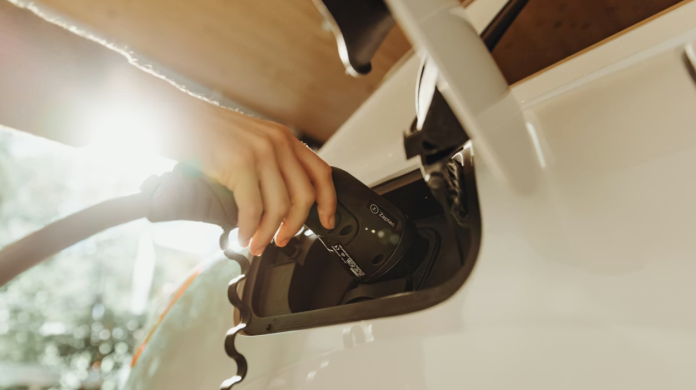
Electric vehicles represent a major shift in how people drive, maintain, and think about transportation. While EVs are known for lower maintenance requirements compared to traditional vehicles, proper care is still essential to ensure safety, performance, and long-term reliability. Understanding both the electrical systems unique to EVs and the mechanical components found in certain hybrid or auxiliary systems allows owners to protect their investment and drive with confidence.
Follow Manufacturer Maintenance Guidelines
Every electric vehicle is engineered with specific service requirements. Following the manufacturer’s recommended maintenance schedule ensures that critical systems such as the battery, cooling components, brakes, and software remain in optimal condition.
Regular inspections help identify wear or system alerts early. Even though EVs have fewer moving parts, neglecting scheduled checks can still lead to performance loss or avoidable repairs.
Protect and Optimize Battery Health
The battery is the heart of an electric vehicle. Maintaining proper charging habits plays a major role in extending battery life. Avoiding frequent deep discharges, limiting excessive fast charging, and keeping the battery within recommended temperature ranges all support long-term performance.
Using manufacturer-approved chargers and monitoring software updates helps preserve efficiency and range. Thoughtful battery care directly influences resale value and reliability.
High Voltage Safety for Electric Vehicle Ownership
High voltage safety for electric vehicle systems is a critical aspect of EV ownership. Electric vehicles operate using powerful battery packs and high-voltage components that require specialized handling. Improper interaction with these systems can result in serious injury or permanent vehicle damage.
Owners should never attempt high-voltage repairs themselves. Certified technicians are trained to safely service EV electrical systems using proper insulation, tools, and procedures. Understanding warning indicators, safe charging practices, and emergency protocols ensures both personal safety and system integrity.
Maintain Cooling and Thermal Management Systems
EV batteries and power electronics rely on advanced thermal management systems to operate efficiently. Coolant levels, pumps, and heat exchangers must remain in proper working order to prevent overheating or reduced performance.
Regular inspections ensure that cooling systems function correctly under various driving and climate conditions. Proper thermal regulation extends battery lifespan and maintains consistent power delivery.
Monitor Mechanical Components and Wear Parts
Although EVs reduce mechanical complexity, they still rely on precision-engineered components. In hybrid vehicles or range-extender systems, internal engine parts may still be present. Stainless steel piston rings, for example, are used in combustion systems to maintain compression, reduce friction, and withstand high temperatures.
High-quality piston rings contribute to durability and efficiency where applicable. Monitoring oil usage, engine performance, and emissions in hybrid configurations helps prevent internal wear and ensures smooth operation alongside electric systems.
Care for Brakes and Suspension
EVs use regenerative braking, which reduces wear on traditional brake components. However, brakes should still be inspected regularly to prevent corrosion and ensure reliable stopping power. Suspension components also bear the added weight of battery systems and should be monitored for wear.
Proper alignment, tire balance, and suspension care improve handling, safety, and energy efficiency.
Keep Software and Systems Updated
Electric vehicles rely heavily on software to manage performance, safety, and energy efficiency. Keeping systems updated ensures access to improvements, bug fixes, and security enhancements.
Software updates may also optimize charging behavior, extend range, or improve driver-assistance features. Staying current helps the vehicle operate as intended by the manufacturer.
Adopt EV-Friendly Driving Habits
Driving behavior affects range, efficiency, and component longevity. Smooth acceleration, controlled braking, and consistent speeds reduce strain on electrical and mechanical systems.
Being attentive to warning alerts, system messages, and performance changes allows owners to address issues early and maintain dependable operation.

