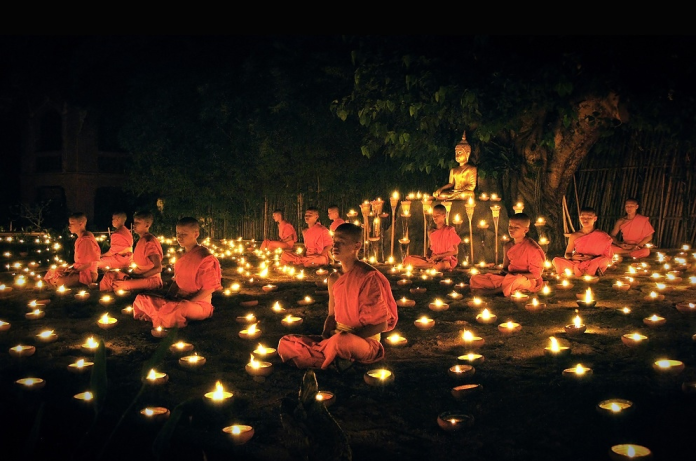
Life and death are not opposites in Buddhism. They are threads in the same tapestry, woven together in an endless rhythm of beginnings and endings. In Buddhist philosophy, death is not the end but a continuation—a passage to another existence. This belief forms the heart of Buddhist cremation rituals, where every act, chant, and offering symbolizes impermanence, compassion, and the promise of rebirth.
The Spiritual Meaning Behind Farewell Ceremonies
In Buddhist tradition, a cremation ceremony is more than a goodbye. It’s a mindful act of letting go—acknowledging that all beings are subject to change. The body, seen as a temporary vessel for consciousness, is released through fire, representing purification and transformation. The ritual helps both the living and the departed to find peace, reminding everyone that attachment causes suffering, while acceptance leads to freedom.
Symbolism Within Buddhist Cremation Rituals
Buddhist cremation rituals are deeply symbolic and steeped in centuries-old wisdom, reflecting the core beliefs of impermanence and spiritual renewal. The word “ritual” itself, in this context, means a sacred sequence meant to guide the soul through transition with mindfulness and compassion. Monks chant sutras to assist the consciousness in its journey, helping it detach from the physical world and move toward its next existence. Incense fills the air, carrying prayers heavenward, while the cremation fire becomes a metaphor for enlightenment—burning away ignorance and desire. Through buddhist cremation rituals, the living witness both loss and renewal, a visual reflection of the cycle of life and rebirth embedded in Buddhist teachings.
Ritual Offerings And Their Deeper Significance
Offerings play an essential role in Buddhist cremation rituals. Families often bring flowers, rice, and candles—symbols of purity, nourishment, and light. Each offering holds meaning: flowers wilt to remind of impermanence, rice sustains as compassion does, and candles illuminate the way for the departing spirit. These gestures, though small, carry profound spiritual weight, representing gratitude for life and a wish for the soul’s peaceful passage into its next form.
Monastic Guidance During Buddhist Cremation Rituals
Monks are central figures in Buddhist cremation rituals, leading prayers and chants with calm precision. Their presence brings spiritual comfort, bridging the gap between the material and the eternal. The chanting of sacred texts like the Abhidhamma serves a dual purpose—it honors the deceased and purifies the thoughts of those mourning. Through their voices, the teachings of impermanence echo clearly, reminding everyone that death is only a doorway, not a destination.
Cultural Variations In Cremation Traditions
Across Asia, Buddhist cremation rituals vary, yet their essence remains the same. In Thailand, ceremonies are often vibrant, filled with music and offerings to monks. In Japan, they tend to be quieter, marked by moments of deep reflection and the careful collection of ashes using chopsticks—a gesture of respect for the body’s final transformation. In Tibet, sky burials replace cremation, where the body is offered to the elements, symbolizing ultimate generosity. Each version expresses the same truth: all life is interconnected, and every ending feeds another beginning.
Conclusion
Buddhist cremation rituals reveal the delicate balance between loss and renewal. They teach that death is neither punishment nor tragedy—it is transition. Through sacred fire, chants, and offerings, these rituals embody the profound truth that all beings move in cycles of existence, shaped by karma and compassion. In this understanding, grief softens, and reverence grows.